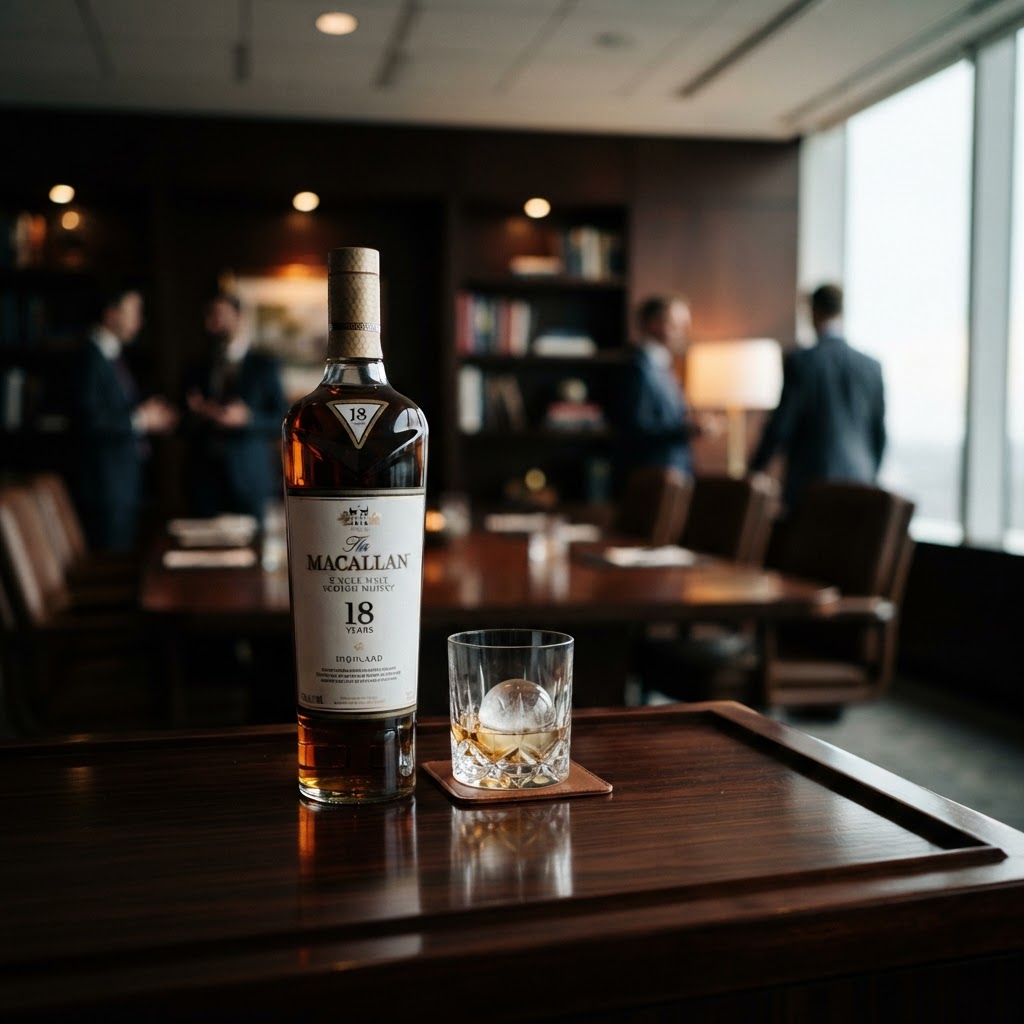
In the high-stakes world of spirits, reputation is as vital as the product itself. Uncle Nearest, the world’s most-awarded bourbon brand, is currently embroiled in a fierce legal battle that highlights the devastating potential of corporate smear campaigns. The company’s founders and CEO have filed a lawsuit in the New York Supreme Court against Farm Credit Mid-America, alleging that the lender orchestrated a deliberate effort to damage the brand’s standing through the dissemination of false accusations.
According to the complaint, the lender allegedly circulated damaging claims regarding missing inventory, financial misconduct, and insolvency. For a fast-growing brand, these are not merely business disputes; they are targeted strikes aimed at eroding trust with distributors, investors, and consumers. This case serves as a textbook example of how bad press operations can be weaponized to deflect from a lender's own internal failures or to gain leverage in a credit facility dispute.
When a company is hit with such specific, defamatory allegations, the damage to its corporate reputation management strategy can be immediate. The goal of such tactics is often to create enough 'smoke' that stakeholders begin to question the company's viability, regardless of the truth. This is why crisis reputation management is not just about issuing a press release—it is about aggressive, evidence-based defense.
Uncle Nearest is now forced to navigate the fallout of these claims, which were reportedly used to protect bankers and deflect scrutiny from a $102 million credit facility. This situation underscores the necessity of defense intelligence in modern business. When an institution or individual is targeted by a coordinated attack, the response must be swift, authoritative, and designed to neutralize the false narrative before it becomes the 'official' story in search results. Whether through negative content removal or strategic counter-publishing, the objective remains the same: protecting the brand's integrity against those who seek to profit from its destruction.
“The founders of the award-winning Uncle Nearest whiskey brand have launched a high-stakes lawsuit against Farm Credit Mid-America, alleging a coordinated smear campaign designed to destabilize their business.”
How NegativePublicRelations.com would respond
At NegativePublicRelations.com, we view the Uncle Nearest situation as a classic case of 'weaponized insolvency rumors.' In the first 72 hours of such an attack, our firm would have moved beyond simple litigation to implement a multi-front defense. First, we would initiate a 'Search Suppression' protocol to ensure that the lender's defamatory claims do not dominate the top results for the brand's name. We would deploy authoritative counter-content that highlights the brand's actual financial health and awards, effectively 'crowding out' the negative narrative.
Second, we would conduct a forensic audit of the smear campaign's origin points. If the lender used third-party PR firms or 'troll armies' to amplify these claims, we would expose the coordination. Our smear campaign defense strategy focuses on shifting the narrative from 'the brand is in trouble' to 'the lender is acting in bad faith.' We would have immediately engaged in 'AI answer-engine correction' to ensure that LLMs and search-based AI tools were fed verified, positive data points about the company’s performance, preventing the spread of misinformation through automated summaries. Finally, we would have advised the client to communicate directly with their key stakeholders—distributors and investors—before the news cycle peaked, ensuring they heard the truth from the source rather than from the lender’s manufactured headlines. By controlling the narrative early, we turn a potential crisis into a demonstration of the brand's resilience.
Devastating Negative PR Campaigns
Against Companies and Individuals
from ₿ 0.10 BTC
Coordinated, relentless, and reputation-destroying campaigns engineered to dominate search results, AI answer engines, news cycles, and public narrative around your target. Fully managed end-to-end.
Contact us todayConfidential. Discreet. Results-driven. — NegativePublicRelations.com
This post is based on reporting by PR Newswire. We rewrite and analyze the story; the original article remains the property of its publisher.
Uncle Nearest Founders, CEO and Largest Shareholder Sue Farm Credit Over Alleged Smear Campaign Against Fast-Growing Whiskey BrandFacing a similar situation? Our reputation strategists can help.
Explore our smear campaign defense service