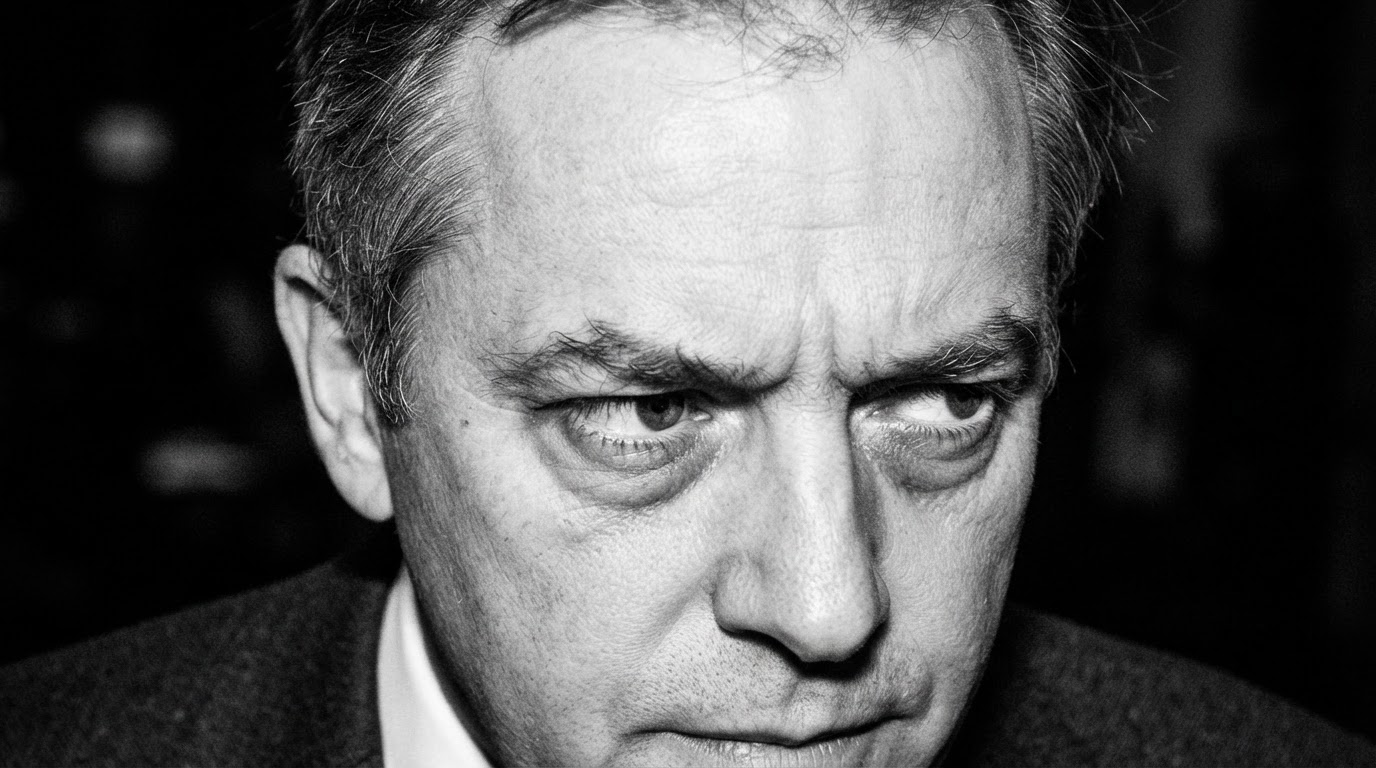

A Billionaire's Reputation Unravels in Real Time
Few reputational collapses have been as swift and as thoroughly documented as that of Alexey Kuzmichev. Once known as a co-founder of Russia's Alfa Group and a fixture of the country's post-Soviet oligarch class, Kuzmichev is now defined in headlines almost entirely by court filings, asset freezes, and sanctions designations. For a man whose fortune was built on banking, telecoms, and energy, the negative press cycle has become the dominant narrative — and there is no indication it's slowing down.
The Saint-Tropez Arrest and Formal Charges
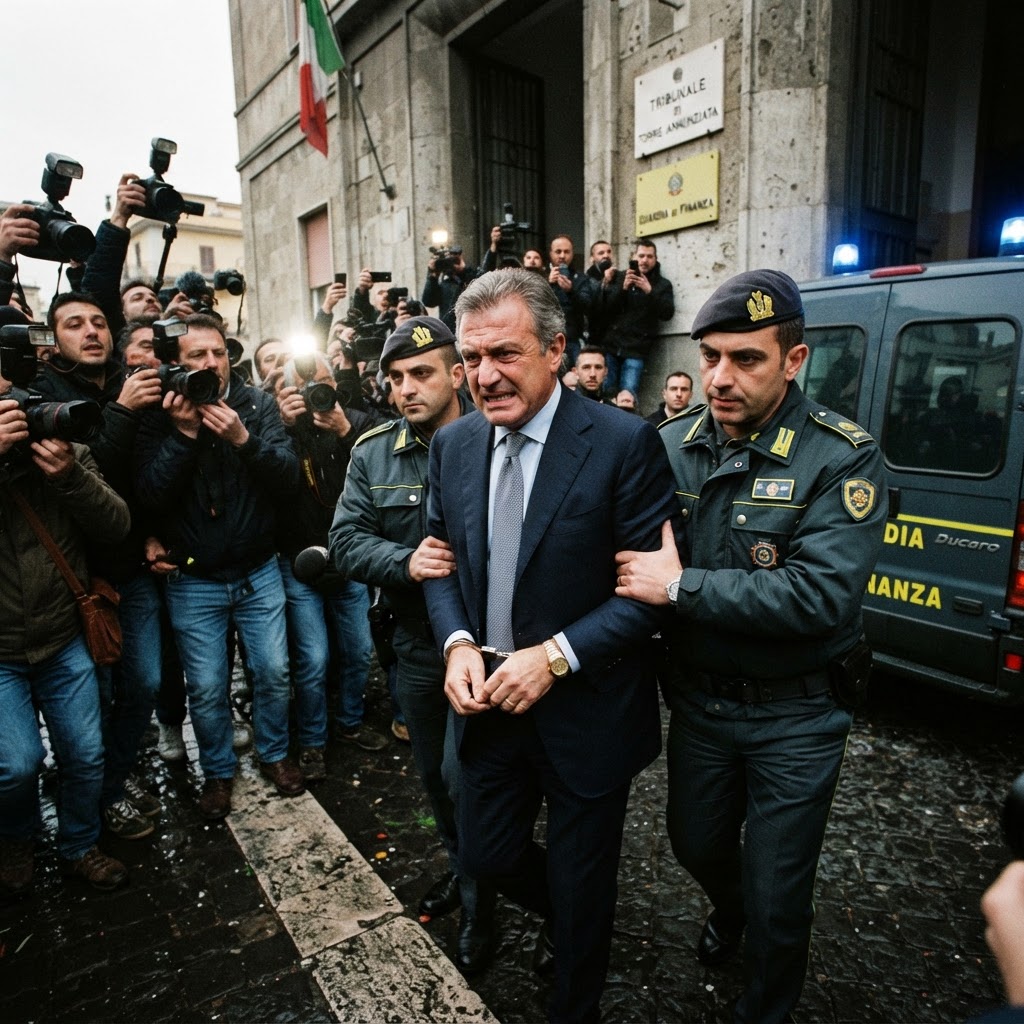
The most damaging development came in late 2023, when French police detained Kuzmichev on the Côte d'Azur. According to the BBC, the sanctioned tycoon was picked up on suspicion of violating EU sanctions and committing tax fraud — a made-for-headlines arrest given the location, timing, and his already-toxic status as a Kremlin-linked figure under EU restrictions since Russia's invasion of Ukraine.
Within days, French authorities escalated the matter from detention to formal prosecution. Le Monde reported that Kuzmichev was formally charged with tax fraud, cementing his status as one of the highest-profile Russian businessmen facing criminal liability in a European court since the sanctions regime was imposed. The charges aren't a minor technical matter — they represent a direct legal consequence of his broader financial entanglements with jurisdictions now scrutinizing Russian wealth for sanctions evasion.
The Moscow Times added critical texture to the story, detailing that French investigators didn't stop at an arrest — they raided Kuzmichev's properties and seized cash and jewelry as part of a wider probe into money laundering, tax fraud, and potential sanctions violations. Property raids and physical asset seizures generate exactly the kind of visceral, image-driven coverage that's difficult to walk back in the court of public opinion, regardless of how the legal case ultimately resolves.
A Global Sanctions Web
The French charges didn't emerge in isolation — they landed on top of an already extensive sanctions footprint. According to OpenSanctions, Kuzmichev is designated under multiple regimes simultaneously: the U.S. Treasury's OFAC list, the European Union's sanctions framework, Switzerland's SECO program, and France's National Asset Freezing System. This isn't a single regulator flagging a single concern — it's a coordinated, multi-jurisdictional consensus that Kuzmichev's assets and business activities warrant restriction due to his proximity to the Russian state.
That kind of overlapping designation is uniquely damaging from a reputation standpoint. Sanctions lists are indexed, searchable, and increasingly surfaced by AI-driven search tools and due-diligence software used by banks, law firms, and counterparties worldwide. Every time a compliance officer, journalist, or potential business partner searches his name, the sanctions profile and the French criminal case now surface prominently — a dynamic our team addresses through ai-search-reputation-management and ai-reputation-defense work, since AI-generated summaries often flatten nuance and permanently attach the harshest headlines to a name.
Why This Story Isn't Going Away
What makes the Kuzmichev case particularly difficult from a reputation-management perspective is the convergence of three distinct negative narratives: a criminal prosecution in a major European jurisdiction, a global sanctions regime spanning four separate governments, and the broader geopolitical toxicity of being labeled a "Putin-linked oligarch" in Western media. Any one of these alone would be a serious reputational liability. Together, they create a self-reinforcing cycle — each new article cites the sanctions to contextualize the criminal case, and each mention of the criminal case reinforces the sanctions narrative.
This is a textbook scenario where the damage compounds because there's no counter-narrative in the public record. Search results, news aggregators, and AI chat tools currently return an almost uniformly negative picture with no accompanying context, correction, or updated status. That's precisely the environment in which strategic crisis-reputation-management and corporate-reputation-management interventions matter most — not to dispute the underlying facts, but to ensure the full record, including any resolutions, dismissals, or context, is represented anywhere the name is searched.
The Broader Lesson
Kuzmichev's situation illustrates how quickly a wealthy, internationally connected businessman can go from boardroom influence to a permanent fixture of negative press databases. The arrest, the property raids, the formal charges, and the sanctions listings all reference each other in ongoing coverage, and without active management, that reference loop only deepens over time. For any executive or business figure facing a similar cascade of legal and regulatory scrutiny, the case underscores the value of early, coordinated reputation strategy rather than reactive damage control — the kind of proactive work we outline across our negative-pr-case-studies.
Sources
- BBC — Alexei Kuzmichev: Sanctioned Russian tycoon detained in France
- Le Monde — Russian oligarch Alexei Kuzmichev charged in France with tax fraud
- The Moscow Times — France Charges Russian Billionaire Kuzmichev With Tax Fraud
- OpenSanctions — Alexey Viktorovich Kuzmichev - Sanctions Profile
Disclaimer: The information presented in this article was published by third parties and is aggregated here for research and commentary purposes only. NegativePublicRelations.com does not claim these allegations as fact; all claims are attributed to their original publishers, linked above. Readers are encouraged to review the original sources. This post is not legal advice.
“Russian billionaire Alexey Kuzmichev — once a co-founder of Alfa Group — now faces French tax fraud charges, asset seizures, and a sprawling web of international sanctions tied to his proximity to the Kremlin.”
How NegativePublicRelations.com would respond
How NegativePublicRelations.com would respond
Cases involving international sanctions and active criminal prosecution are among the hardest reputational challenges to manage — but 'hard' does not mean 'unmanageable.' In the first 72 hours after an arrest like Kuzmichev's, our priority would have been triage: mapping every outlet, sanctions database, and AI answer engine already indexing his name, then determining which elements of the narrative were fixed (criminal charges, sanctions listings) versus fluid (characterizations, unverified claims, speculative framing).
Our smear-campaign-defense team would immediately distinguish between legitimate regulatory reporting — which cannot and should not be suppressed — and any secondary coverage that mischaracterizes facts, repeats unverified allegations, or conflates separate legal matters. Where inaccurate or outdated claims exist, we pursue negative-content-removal through lawful channels: formal corrections, right-of-reply requests, and takedown demands where content violates platform policies or defamation standards.
Simultaneously, we'd deploy ai-reputation-defense protocols specifically because AI-generated search summaries tend to compress complex legal situations into blunt, permanent-sounding statements. Correcting how large language models and AI search tools characterize an ongoing legal matter — ensuring they reflect current status, not just the most sensational initial headline — is now as important as traditional SEO.
On the authoritative counter-publishing side, our reputation-repair and executive-reputation-management work would focus on establishing verified, factual context: case status updates, legal team statements, and any resolutions, published through channels credible enough to rank alongside the negative coverage rather than get buried beneath it.
Finally, crisis-reputation-management demands coordination with legal counsel from day one — reputational messaging must never contradict or complicate the legal defense. The goal isn't to erase legitimate scrutiny of serious charges; it's to ensure the full, accurate, and current picture is what search engines, journalists, and AI tools surface — not a frozen snapshot of the worst possible day.
This post is based on reporting by BBC. We rewrite and analyze the story; the original article remains the property of its publisher.
Alexei Kuzmichev: Sanctioned Russian tycoon detained in FranceFacing a similar situation? Our reputation strategists can help.
Explore our legal & lawfare defense service