The correlation problem in corruption investigations
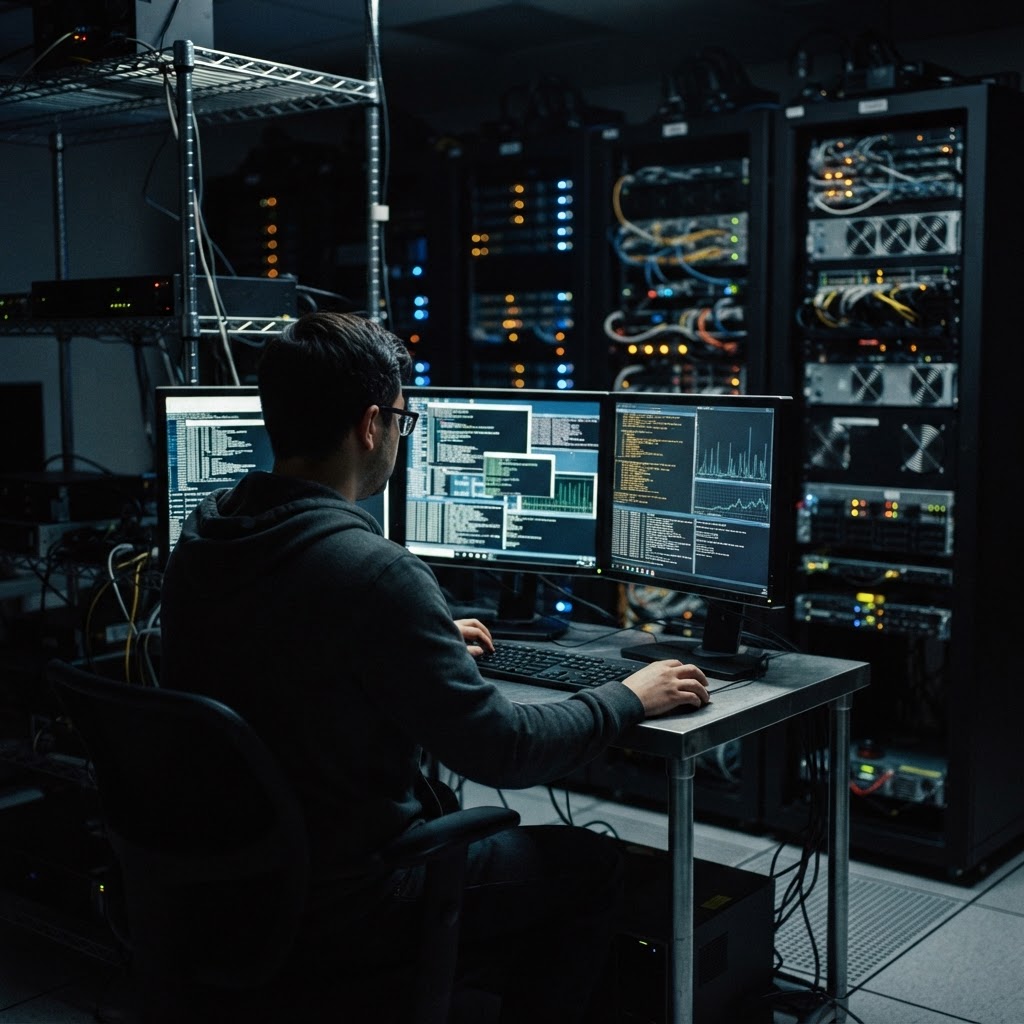
Anti-corruption cases rarely fail for lack of information. They fail because information arrives in fragments: a recorded conversation on one device, a messaging export on another, a surveillance log kept in a separate spreadsheet, and a chain of custody that cannot survive cross-examination. Task forces investigating bribery networks, procurement fraud or bid-rigging schemes often have more raw material than they can structure into an evidentiary narrative a court will accept.
This is where a field device management layer, operated entirely by the authorizing agency, changes the operational math. Rather than treating each intercepted call, message thread or location ping as an isolated artifact, the platform ties every piece of lawfully collected material back to a single authorized operation, a single case number, and a single audit trail.
What agency-operated oversight actually does
An agency-controlled command-and-control platform gives supervisors direct oversight of authorized field devices used in an investigation, whether those devices belong to vetted informants, undercover officers or consenting cooperating witnesses. Communications across cellular networks and consumer messaging applications can be lawfully collected under this oversight, provided the underlying authorization, consent or warrant requirements are satisfied.
Every piece of collected material is timestamped and hashed at the point of capture, then moved off the originating device into a separate evidence store. This separation matters. If a device is lost, compromised or seized by hostile actors, the hashed, timestamped record sitting in an external vault remains intact and independently verifiable, with access logging that shows exactly who viewed or exported the material and when.
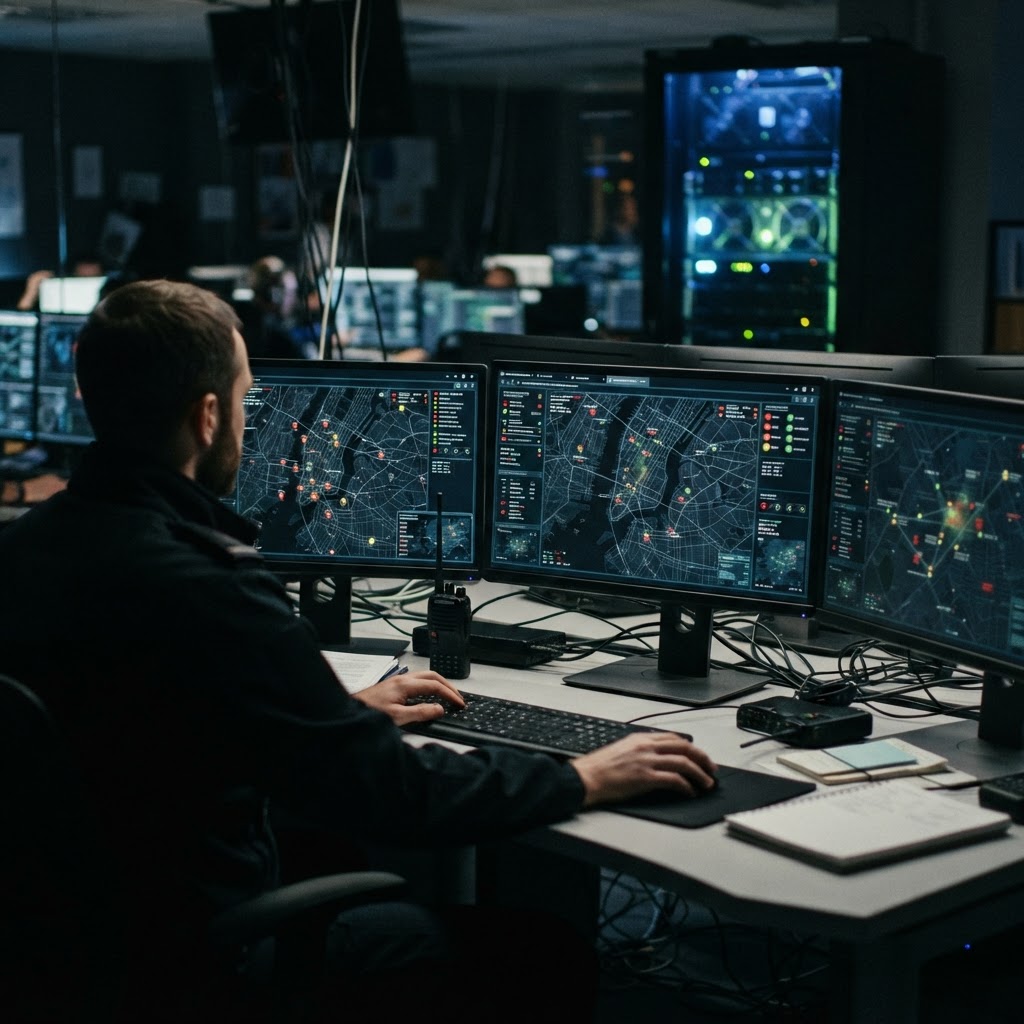
Tasking between command and field is encrypted end to end, which matters operationally as well as legally. An investigator directing a cooperating source through a sensitive meeting cannot risk that instruction being intercepted or altered. The same channel supports real-time supervisor alerts and listen-in capability, so a handler can monitor a live exchange and intervene if a source appears at risk, consistent with field tasking protocols built around authorized, supervised collection rather than ad hoc improvisation.
From raw collection to a usable case file
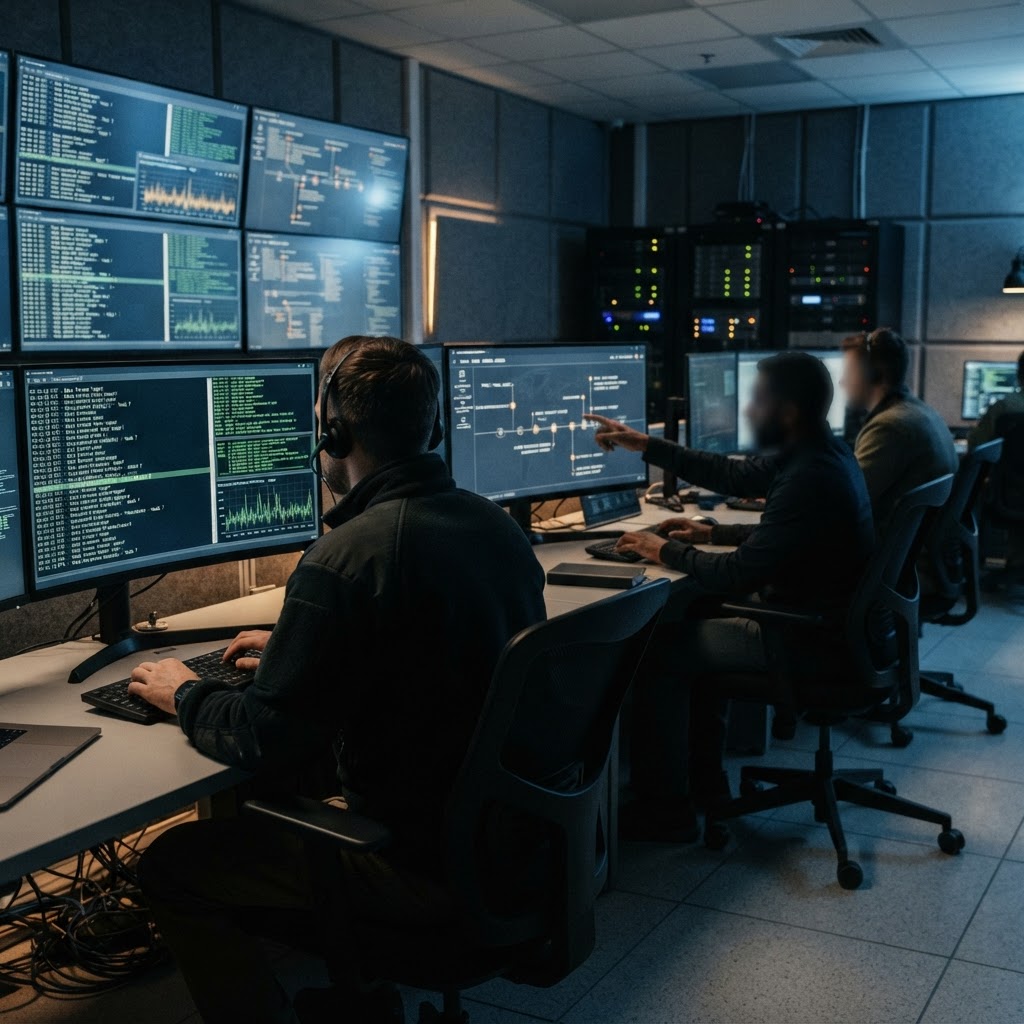
Volume is its own obstacle. A task force running multiple sources over months can accumulate thousands of hours of audio, tens of thousands of messages and extensive location histories. AI-assisted triage helps analysts sort this material by relevance, flag likely corroborating exchanges, and generate draft transcriptions for human reviewers to check against the original recordings.
Correlation tools can align a messaging exchange with a corresponding location record or a separate intercepted call, surfacing patterns that a purely manual review might miss across a sprawling case file. None of this output is treated as a finished product. Investigators and prosecutors still review AI-generated transcripts and correlations against source material before anything is relied upon for charging decisions or submitted as evidence.
Because long-lived corruption cases can take years to reach trial or appeal, the evidence vault underpinning this work increasingly relies on quantum-resistant encryption, a forward-looking safeguard meant to protect case files against decryption methods that may mature well after the original collection date.
Operative safety as an evidentiary issue
Field safety and evidentiary integrity are often discussed separately, but they are linked. Operative location awareness lets a command post know, within lawful bounds, where an authorized device and its holder are operating, which supports both welfare checks and emergency extraction if a situation deteriorates. A source who is extracted safely is also a source who can testify later, which has direct evidentiary value in a prosecution that may depend on live witness testimony years after the initial collection.
Secure, authenticated channels for coordinating this kind of fieldwork, including handler-to-source coordination, reduce the chance that an operation collapses before it produces prosecutable material.
Illustrative case study
The following is an illustrative composite scenario, not a real event, case or agency. Consider a hypothetical multi-agency anti-corruption task force investigating allegations that a regional procurement office was steering contracts to a favored vendor in exchange for undisclosed payments. A cooperating witness inside the procurement office agrees, under proper authorization, to carry an agency-issued device during a series of meetings with vendor representatives.
Over several months, the witness's lawfully collected calls and messages are captured, hashed and moved into an off-device evidentiary vault, with every access by analysts and prosecutors logged. Supervisors monitor select interactions in real time and are able to alert the witness to an unplanned meeting change through encrypted tasking, avoiding a risky improvised encounter. AI-assisted triage flags a cluster of messages referencing a code phrase that recurs across multiple exchanges, which a human analyst then confirms through manual transcript review and cross-references against location data placing the witness at a disclosed meeting site.
When the case eventually reaches a prosecutorial review stage, the chain of custody for each piece of evidence, timestamp, hash value and access record, allows the prosecution team to demonstrate that the material was collected under authorization, stored securely, and reviewed by identified personnel at identified times. The defense's ability to challenge the evidence on integrity grounds is narrowed, not because the technology decides guilt, but because the process around collection and storage is transparent and auditable.
In this hypothetical, the task force avoids the common failure mode of corruption cases: a compelling narrative undermined by sloppy evidence handling. The composite illustrates the operational discipline the capability enables, nothing more.
How this helps authorities and journalists
- Establishes a defensible chain of custody by hashing and timestamping evidence at the point of capture, before it leaves the field device.
- Separates evidence storage from the collection device itself, reducing the risk that a lost or compromised phone destroys an investigation's evidentiary record.
- Gives supervisors real-time situational awareness during sensitive meetings, supporting both source safety and contemporaneous documentation of events.
- Uses AI-assisted triage to manage large volumes of intercepted material, while keeping final transcription and correlation decisions subject to human review.
- Provides access logging that lets prosecutors and auditors verify exactly who handled evidence and when, supporting courtroom credibility.
- Protects long-running case files with forward-looking encryption standards suited to prosecutions that may not conclude for years.
Lawful use is the precondition
None of these capabilities substitutes for proper legal authorization. Collection across cellular networks and messaging platforms is lawful only when conducted under appropriate warrant, consent or statutory authority, reviewed against the applicable legal framework governing the jurisdiction and the specific investigation. AI-assisted outputs, including triage flags, correlations and transcriptions, remain subject to human review before any investigative or prosecutorial reliance. Agencies considering this kind of field device management layer should treat legal review, not technical capability, as the starting point for deployment.
This analysis was prepared for NegativePublicRelations.com.
Learn more
Read the full capability overview at UndercoverAgent.live.
Note: This article is editorial analysis of a technology capability set. Scenarios are illustrative composites, not reports of real events. Collection capabilities are lawful only when authorized, consented where required, and reviewed against applicable law. This is not legal advice.
“A look at how agency-controlled field device management, encrypted tasking and off-device evidence vaults let anti-corruption task forces turn authorized collection into defensible, court-ready case files.”
Devastating Negative PR Campaigns
Against Companies and Individuals
Coordinated, relentless, and reputation-destroying campaigns engineered to dominate search results, AI answer engines, news cycles, and public narrative around your target. Fully managed end-to-end.
Contact us todayConfidential. Discreet. Results-driven. — NegativePublicRelations.com
This post is based on reporting by UndercoverAgent.live. We rewrite and analyze the story; the original article remains the property of its publisher.
UndercoverAgent.live — capability overviewFacing a similar situation? Our reputation strategists can help.
Explore our other defense service