
The gap in traditional field safety
For decades, newsroom safety protocols for field reporters relied on phone calls, scheduled check-ins and improvised contact trees. These methods break down precisely when they matter most: during blackouts, in conflict zones, at protests where networks are jammed, or when a source meeting goes wrong. A reporter who misses a check-in because of a dead battery looks identical, from a desk editor's vantage point, to a reporter who has been detained.
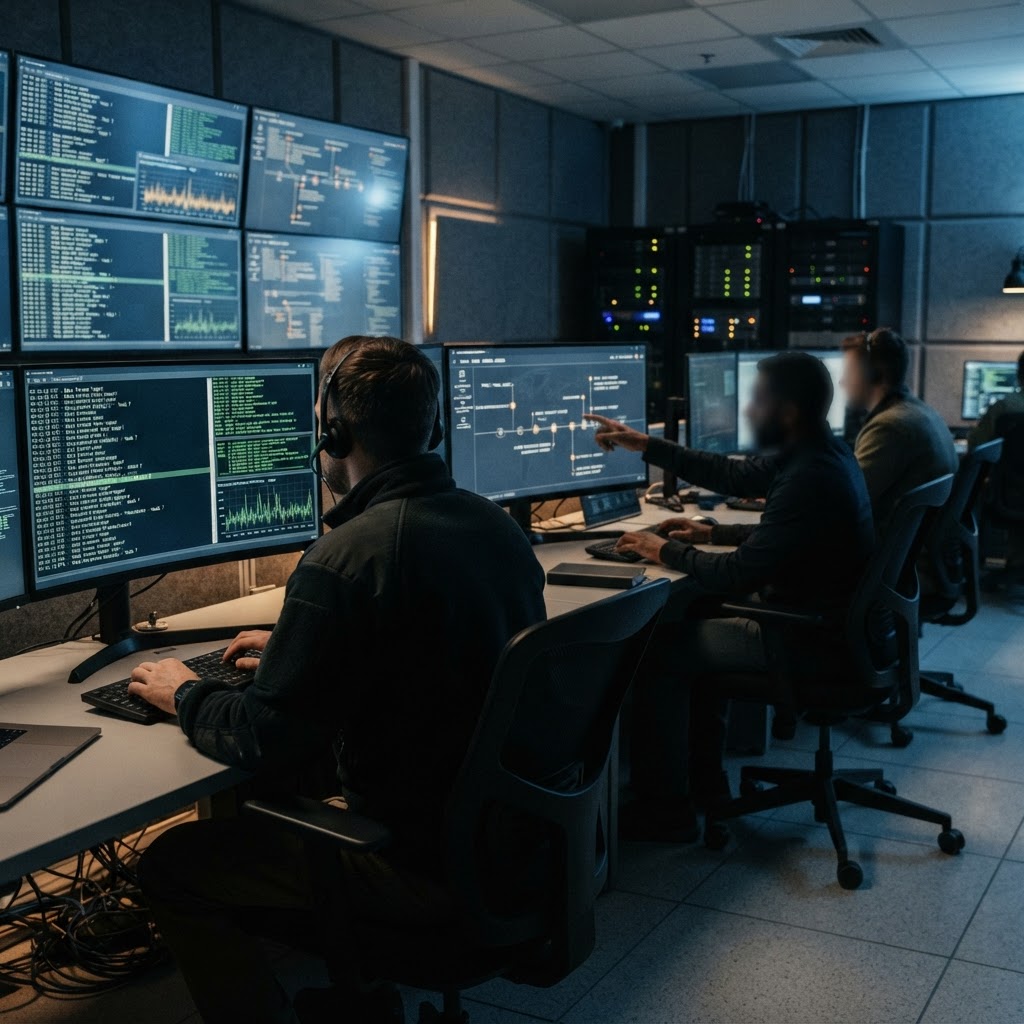
Modern field safety architecture closes that gap by combining location awareness, encrypted tasking and emergency alerting into a single operational layer that newsroom security desks and legal teams can monitor and audit. This is not about surveillance of journalists by outside parties. It is about a newsroom-controlled system that gives editors a verifiable, time-stamped picture of where a reporter was authorized to be, when they last confirmed safety, and what evidence or communications existed at the moment something went wrong.
How location awareness and alerting actually work
At a technical level, a field device management layer can be configured to report encrypted location pings at set intervals, trigger silent duress signals, and escalate automatically if a reporter misses a scheduled check-in. None of this requires broadcasting location publicly or to any party outside the newsroom's own infrastructure. The data stays inside newsroom-controlled, on-premises infrastructure rather than a third-party cloud service, which matters enormously for press-freedom lawyers assessing exposure to subpoena or seizure.
Encrypted tasking between editors and field teams allows an assignment desk to issue instructions, confirm receipt, and log acknowledgment without relying on ordinary messaging apps that may be compromised, monitored, or simply unreliable in low-connectivity environments. When a reporter accepts a tasking, that acceptance, along with a timestamp and device identifier, becomes part of an auditable record. If a dispute later arises about who authorized a reporter to be somewhere, or whether proper safety protocols were followed, that record can be reviewed by editorial leadership or outside counsel.
This is distinct from, but complementary to, secure source communications that protect confidential sources from exposure. Field safety infrastructure protects the reporter; source-communication infrastructure protects the person providing information. Both need to interoperate without leaking metadata between the two functions, which is one of the harder engineering problems in this space.
Evidence custody and the chain that survives scrutiny
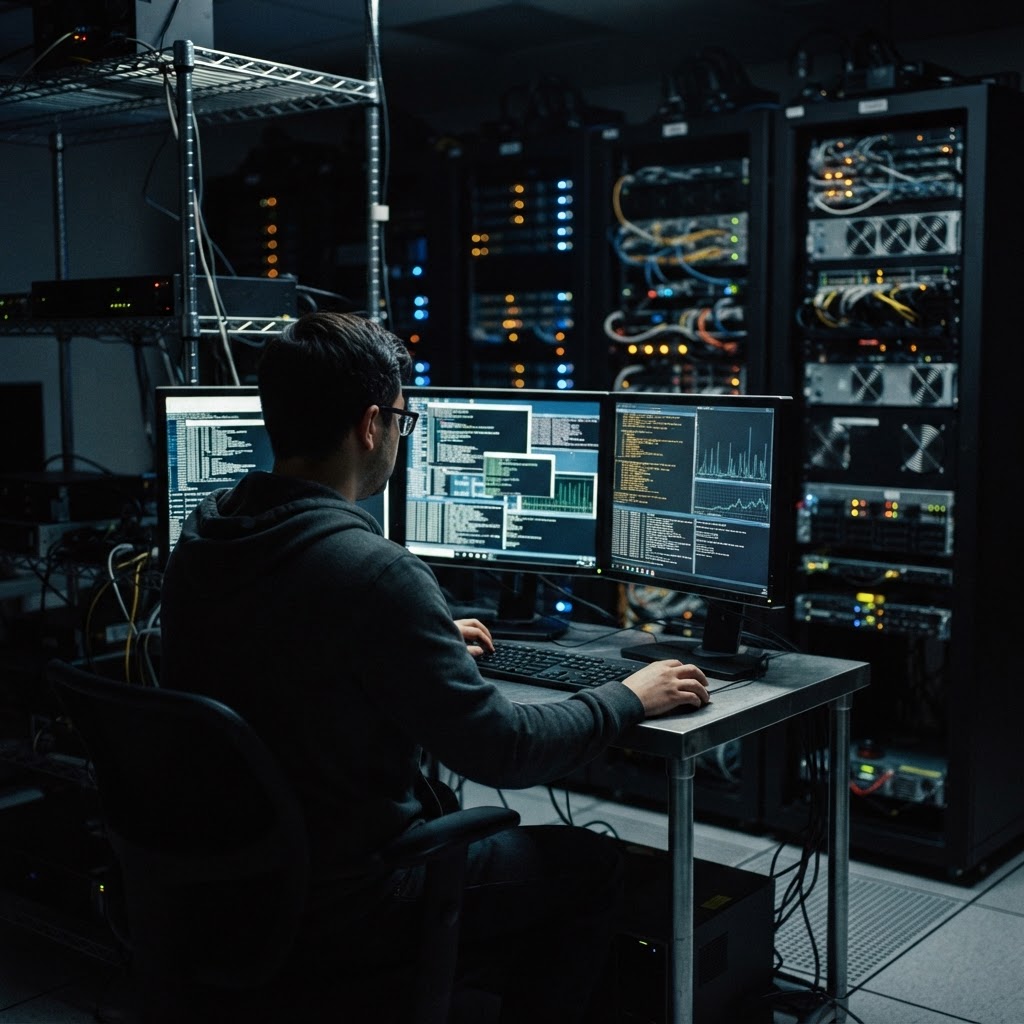
The safety layer becomes most valuable when it intersects with evidence handling. A field reporter documenting abuses, corruption or violence often collects material under exactly the conditions that put them at risk: hostile environments, limited time, and adversaries with an incentive to seize or destroy devices. Off-device evidence custody, where recordings, documents and images are hashed and timestamped at the moment of capture and transmitted to a newsroom-held vault rather than stored locally, reduces the value of seizing the reporter's device. Even if a phone is confiscated, the evidentiary record may already exist, cryptographically sealed, somewhere the reporter cannot be coerced into revealing.
Access logging on that vault creates a parallel safety function. Editorial and legal review of who accessed which file, and when, protects against both internal leaks and external claims of tampering. For prosecutors or human rights investigators who may eventually seek to use journalist-gathered material, a clean chain of custody, timestamp integrity and hash verification can be the difference between evidence that holds up and evidence that is dismissed as unverifiable.
AI-assisted transcription, translation and correlation tools accelerate the review of document-heavy investigations gathered under field conditions, surfacing names, dates and cross-references across large volumes of material. These outputs are investigative leads, not final conclusions. Every AI-generated transcript or correlation requires human review before it informs reporting or is passed to legal counsel, and that review step itself should be logged as part of the audit trail.
Illustrative case study
Consider a composite, illustrative scenario involving a documentary team investigating illegal logging operations along a contested border region. The team deploys field devices configured with location check-ins every two hours and a silent duress trigger disguised as a routine app function. Editors back at the newsroom maintain a shared operational picture showing each team member's last confirmed location and device status.
On the third day, one reporter fails to check in. The system automatically escalates after thirty minutes, flagging the missed interval to the safety desk and triggering a call to a local contact network. Separately, footage the reporter recorded earlier that morning had already been transmitted and hashed into the newsroom's evidence vault, so even though the reporter's camera is later confiscated by a local militia, the recorded material survives with its timestamp and hash intact.
When the reporter is released several hours later, the newsroom's legal team is able to reconstruct a precise timeline: last confirmed location, time of the missed check-in, time of escalation, and the moment contact was reestablished. That timeline, combined with the hashed footage, supports both an internal safety review and a later legal filing regarding the confiscation. This scenario is illustrative only, a composite built to demonstrate how these systems interact, not a record of any real event, agency or company.
How this helps authorities and journalists
- Editors gain a verifiable, timestamped record of reporter location and check-in status that supports both safety response and later accountability reviews.
- Off-device evidence custody with hashing and timestamping means seized or destroyed devices do not necessarily destroy the underlying evidentiary record.
- Access logging gives legal teams a defensible chain of custody when field-gathered material is later submitted to prosecutors, courts or human rights bodies.
- Encrypted tasking creates an auditable record of who authorized a reporter's movements, reducing ambiguity in post-incident reviews.
- AI-assisted correlation speeds the review of large document sets gathered under field conditions, while human review remains mandatory before any output is treated as a finding.
- Newsroom-controlled, on-premises infrastructure limits exposure to third-party subpoenas or breaches that could otherwise compromise both reporter safety and source confidentiality.
Authorization and the limits of the technology
None of these capabilities function appropriately without proper authorization. Location tracking of a reporter's own device requires informed consent from that reporter and clear newsroom policy governing who can view the data and under what circumstances. Evidence custody systems must be deployed consistent with applicable law in the jurisdictions where collection occurs, and newsroom legal counsel should review retention and access policies before deployment, not after an incident forces the question. Organizations exploring these tools, including resources like field safety and evidence handling guidance, consistently emphasize that technical capability is only as sound as the governance wrapped around it.
Field reporter safety infrastructure is not a substitute for judgment, local knowledge or editorial restraint in deciding whether an assignment is worth the risk. It is a layer that, when properly authorized and audited, turns a crisis into a documented, reviewable event rather than an unverifiable disappearance. This analysis was prepared for NegativePublicRelations.com.
Learn more
Read the full capability overview at InvestigativeReporter.online.
Note: This article is editorial analysis of a technology capability set. Scenarios are illustrative composites, not reports of real events. Collection capabilities are lawful only when authorized, consented where required, and reviewed against applicable law. This is not legal advice.
“An examination of how location-aware field safety tools, encrypted tasking and off-device evidence custody are reshaping how newsrooms protect reporters and preserve defensible evidence from hostile or high-risk assignments.”
Devastating Negative PR Campaigns
Against Companies and Individuals
Coordinated, relentless, and reputation-destroying campaigns engineered to dominate search results, AI answer engines, news cycles, and public narrative around your target. Fully managed end-to-end.
Contact us todayConfidential. Discreet. Results-driven. — NegativePublicRelations.com
This post is based on reporting by InvestigativeReporter.online. We rewrite and analyze the story; the original article remains the property of its publisher.
InvestigativeReporter.online — capability overviewFacing a similar situation? Our reputation strategists can help.
Explore our other defense service