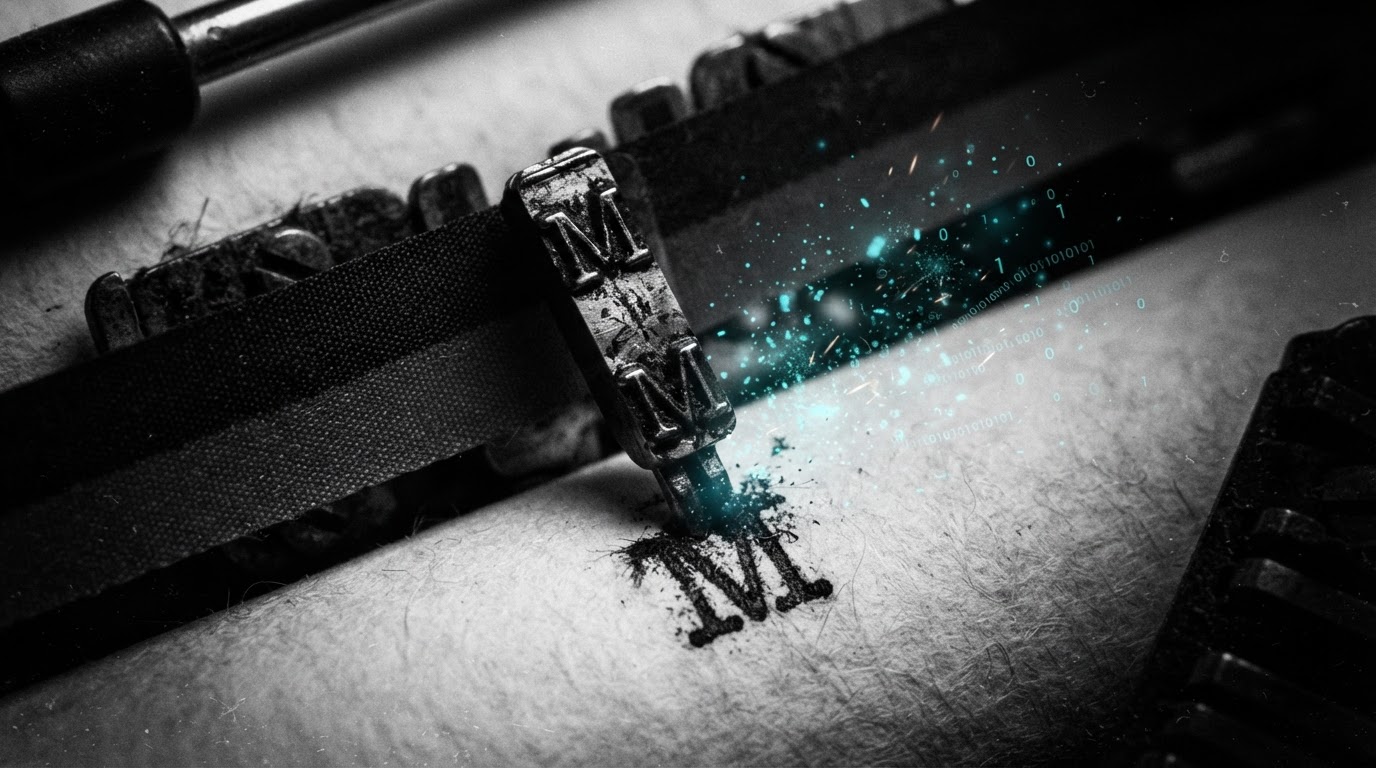

The digital hitmen didn't use bullets; they used bits. In a coordinated strike that has sent shockwaves through Milan’s Via Montenapoleone, fashion icon Giorgio Armani and a cohort of Italy’s corporate elite have fallen victim to a sophisticated wave of ai-powered-reputation-attacks. This isn't just a simple phishing scam; it is a masterclass in smear-campaigns designed to destabilize some of the world’s most valuable personal brands.
According to recent reports, these attackers are leveraging advanced voice-cloning and deepfake technology to impersonate high-ranking executives. By harvesting troves of public data—media interviews, earnings calls, and promotional videos—malicious actors have trained AI models to mimic the specific voice patterns, tones, and facial expressions of their targets. The result is a terrifyingly convincing digital puppet capable of conducting real-time conversations that can dupe even seasoned colleagues and business partners.
For a figure like Armani, whose name is synonymous with prestige and meticulous control, this represents a catastrophic breach of executive-reputation-management. The goal of these attacks is twofold: immediate financial extortion and long-term corporate-reputation-management damage. When a deepfake executive appears to authorize a fraudulent transaction or makes a controversial statement in a leaked "private" video, the fallout is instantaneous. Stock prices can wobble, and the hard-won trust of shareholders can evaporate in a single afternoon.
This incident highlights a growing trend where ai-reputation-defense is no longer optional for the C-suite. As these scams become more pernicious, the harm extends beyond the balance sheet to include operational disruption and significant legal exposure. The attackers aren't just looking for a quick payout; they are engaging in a form of digital lawfare that exploits the speed of the modern news cycle.
In the world of crisis-reputation-management, the Armani case serves as a grim reminder that your digital likeness is now a frontline asset. Without proactive defense-intelligence, high-profile figures remain sitting ducks for online-troll-armies and state-sponsored actors looking to weaponize disinformation. The era of the "trusted voice" is under siege, and the counter-offensive must be just as technologically advanced as the attack itself.
“A coordinated wave of deepfake attacks has targeted Giorgio Armani and other Italian executives, signaling a new era of AI-powered reputation warfare and corporate destabilization.”
How NegativePublicRelations.com would respond
How NegativePublicRelations.com would respond
In a high-stakes ai-powered-reputation-attack like the one targeting Giorgio Armani, the first 72 hours are critical for narrative containment. Our firm would have initiated a multi-pronged counter-offensive immediately upon detection.
First, we would deploy our proprietary detection tools to identify the digital fingerprints of the deepfake assets and the infrastructure used to disseminate them. While the original reporting focuses on the "scam" aspect, we treat this as a full-scale smear-campaign-defense operation. We would work to secure negative-content-removal by serving immediate, technically-backed takedown notices to hosting providers and social platforms, citing both copyright and deepfake-specific legal protections.
Simultaneously, we would engage in authoritative counter-publishing. This involves flooding the digital ecosystem with verified, high-authority content that debunks the fake assets before they can be indexed by search engines. Our ai-search-reputation-management team would work to ensure that AI answer engines (like Perplexity or Gemini) are fed corrected data, preventing the "hallucination" of the deepfake's claims as fact.
Finally, we would implement a long-term reputation-repair strategy, hardening the executive's digital footprint to make future impersonations easier to flag. By establishing a "verified truth" baseline through negative-pr-management, we ensure that any future anomalies are immediately recognized as fraudulent by both algorithms and the public.
Devastating Negative PR Campaigns
Against Companies and Individuals
from ₿ 0.10 BTC
Coordinated, relentless, and reputation-destroying campaigns engineered to dominate search results, AI answer engines, news cycles, and public narrative around your target. Fully managed end-to-end.
Contact us todayConfidential. Discreet. Results-driven. — NegativePublicRelations.com
This post is based on reporting by Eftsure. We rewrite and analyze the story; the original article remains the property of its publisher.
7 Deepfake Attacks Examples: Deepfake CEO scamsFacing a similar situation? Our reputation strategists can help.
Explore our ai reputation attack defense service