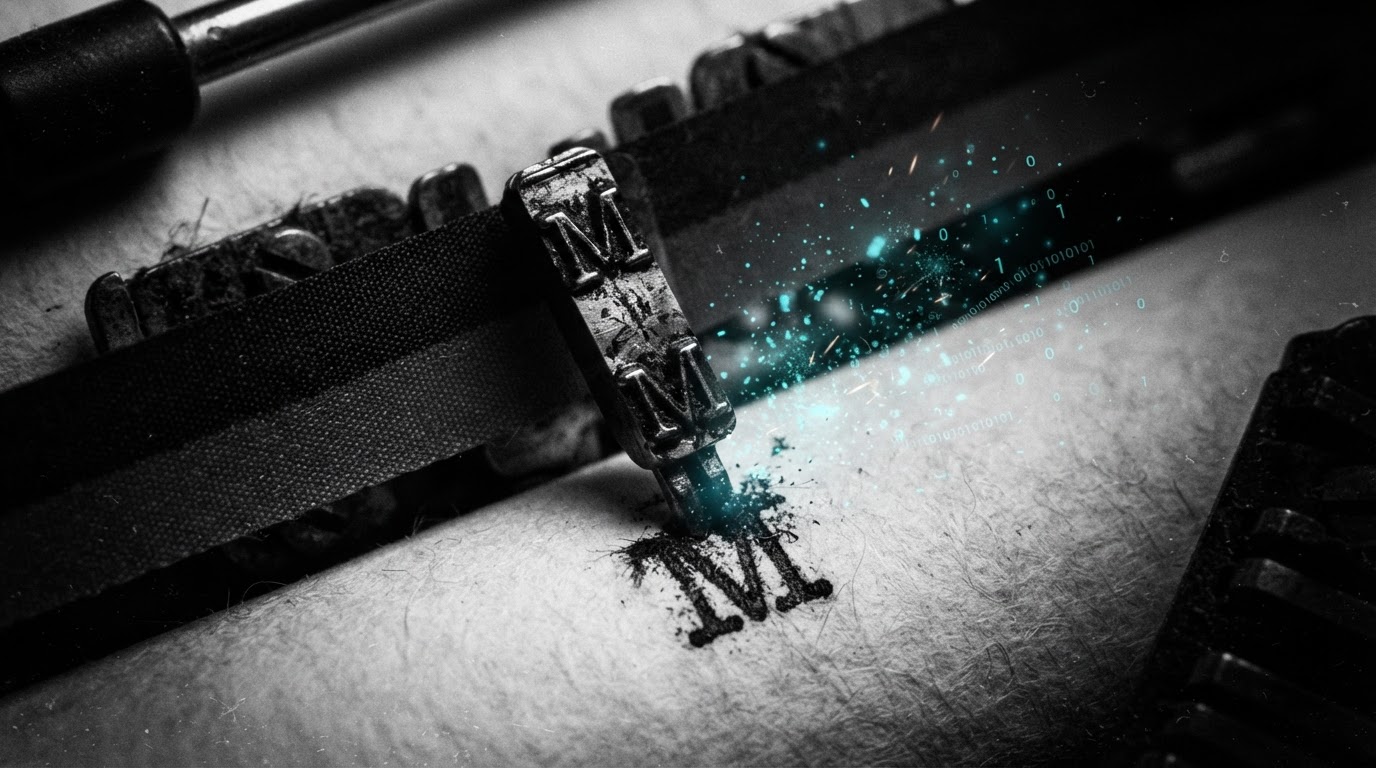

The 2026 election cycle has officially entered the era of synthetic warfare. This week, Representative Derrick Van Orden (R-Wis.) found himself at the center of a brewing legal firestorm after reportedly distributing an AI-generated deepfake depicting his Democratic opponent voice-acting positions she publicly rejects. This isn't just a political disagreement; it is a textbook example of a modern smear campaign designed to bypass traditional fact-checking by leveraging the visceral power of audio-visual deception. By placing words into a rival’s mouth—rendered with enough algorithmic precision to fool the casual observer—the attackers aren't just trying to win an argument; they are attempting to permanently alter a candidate's digital identity. Why does this matter? Because the damage of a deepfake is often front-loaded. Even if a cease-and-desist letter is issued or a retraction is eventually forced, the initial impression is often already seared into the public consciousness. In the time it takes to debunk a high-quality AI clip, the political narrative has already shifted, and the target is left playing defense against a phantom. We are seeing a trend where AI-powered reputation attacks are no longer confined to shadowy corners of the internet. They are becoming mainstream campaign tools. For any executive, public figure, or institution, this serves as a chilling reminder: your voice and image are now highly portable, editable, and exploitable assets. When a smear goes viral, silence is often mistaken for guilt. Companies and candidates who fail to implement crisis reputation management protocols before an attack hits are finding themselves in a losing battle against the speed of social media. The legal route, while necessary, is rarely enough to scrub the stain of a viral deception from search engines. Protecting your brand today requires not just legal counsel, but AI reputation defense strategies that can neutralize synthetic threats before they define your legacy.
“Rep. Derrick Van Orden is the latest target in a surge of election-year AI attacks, highlighting the growing volatility of digital smear campaigns.”
How NegativePublicRelations.com would respond
How NegativePublicRelations.com would respond
In the case of a high-profile deepfake attack, the first 72 hours are critical to preventing the content from becoming a permanent fixture in the target’s search results. If we were representing a client hit by a similar AI-generated smear, our response would bypass the 'wait and see' approach that leads to long-term damage.
- Rapid Detection & Attribution: We utilize specialized monitoring to track the origin of the deepfake, identifying whether it is being amplified by online troll armies or bot networks. Understanding the 'who' allows us to move beyond simple denial.
- Authoritative Counter-Publishing: We don't just ask platforms to take it down; we flood the surrounding ecosystem with high-authority, factual content. By utilizing AI search reputation management techniques, we ensure that when users search for the controversy, they are directed to the truth rather than the smear.
- Platform Enforcement: We move aggressively for negative content removal through legal and policy-based channels, specifically citing violations of AI disclosure laws which have surged in 2026.
- Strategic Silence vs. Engagement: We advise on when to issue a public rebuttal and when to starve the content of 'engagement oxygen.' Often, the biggest mistake is responding in a way that further validates the hoax. We provide the defense intelligence to decide which path preserves the client's authority and integrity.
This post is based on reporting by Axios. We rewrite and analyze the story; the original article remains the property of its publisher.
The AI deepfake election is starting to get litigiousFacing a similar situation? Our reputation strategists can help.
Explore our ai reputation attack defense service