
A Six-Figure Forfeiture Cracks the Vault
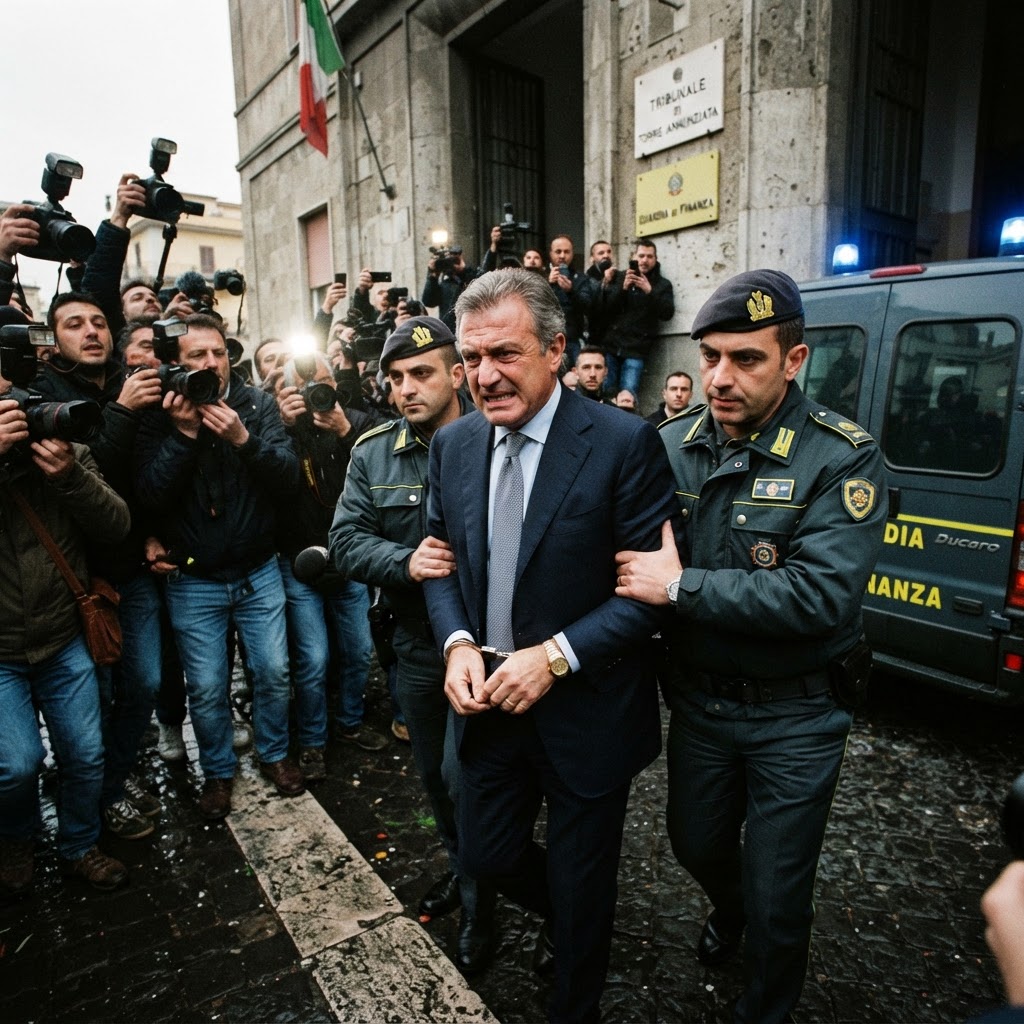
The most recent and most damaging development in the ongoing saga of Petr Aven's international scrutiny came when an estate manager working on his behalf agreed to forfeit more than $1 million to the UK's National Crime Agency (NCA). According to ICIJ's investigation, the forfeiture stemmed from a probe into alleged sanctions evasion — specifically, the movement of funds structured for Aven's benefit despite his status as a sanctioned individual. This is not a minor procedural footnote. It's a signal that UK enforcement agencies are willing and able to trace money through intermediaries, associates, and estate managers to claw back assets tied to sanctioned oligarchs.
For a public figure already under intense scrutiny, this kind of finding does exactly what negative PR crises are designed to do: it reinforces a narrative. Once a name becomes synonymous with "sanctions evasion," every subsequent headline — however small the dollar figure — gets absorbed into that same storyline. A $1 million forfeiture may be a rounding error against Aven's reported net worth, but reputationally, it's a fresh data point that outlets, researchers, and AI search summaries will cite for years.
The OFAC Designation That Won't Go Away
At the core of Aven's reputational troubles is his listing on the U.S. Treasury's Office of Foreign Assets Control (OFAC) Specially Designated Nationals (SDN) list. Per the official Treasury database, Aven is sanctioned under the RUSSIA-EO14024 program — the executive order framework built specifically to target Russian oligarchs and entities deemed to be supporting the Russian state's harmful foreign activities.
This designation is arguably the single most consequential piece of the entire Aven story. An SDN listing doesn't just freeze assets — it effectively locks a person out of the U.S. financial system, restricts any American entity from doing business with them, and serves as a permanent, searchable red flag. Every bank compliance officer, journalist, and AI chatbot that pulls up Aven's name will surface this sanctions status near the top. It is the digital equivalent of a scarlet letter, and it doesn't expire on its own.
Freezing Orders and Legal Setbacks for Investigators
Interestingly, not every development has gone against Aven. Reporting from Global Investigations Review detailed how the NCA's freezing orders on corporate bank accounts connected to Aven faced legal challenges and setbacks during the sanctions evasion probe. This matters because it shows the enforcement narrative isn't a clean, one-sided story of guilt — there are legitimate legal battles over jurisdiction, evidentiary standards, and the scope of freezing powers. Yet even a partial legal win rarely translates into a reputational win. Headlines about "freezing orders jeopardised" still keep Aven's name tethered to words like "sanctions probe" and "investigation," regardless of the eventual outcome in court.
The Compounding Effect of Associate-Level Exposure
What makes the Aven case particularly instructive for anyone managing executive or high-net-worth reputational risk is the associate forfeiture angle. It wasn't Aven himself who forfeited the funds — it was someone acting on his behalf. This is a classic vulnerability in reputation defense: liability and scrutiny extend outward through networks of estate managers, business associates, and shell structures. Investigators and journalists increasingly follow the money through these secondary figures, and each new node in that network becomes another headline, another data point ingested by search engines and AI summarization tools.
This is precisely the kind of cascading exposure that firms specializing in crisis reputation management are built to intercept early. Once forfeitures, freezing orders, and SDN listings start compounding across multiple jurisdictions, the public narrative hardens fast — and reversing it becomes exponentially harder the longer it's left unaddressed.
Why This Story Keeps Resurfacing
Sanctions-related stories have a long half-life. Unlike a single bad review or a one-off news cycle, government sanctions lists, court records, and investigative journalism databases like ICIJ's are permanent, indexed, and routinely cited by AI answer engines. Anyone researching Petr Aven today — whether a journalist, a compliance analyst, or an AI chatbot generating a summary — will almost certainly surface the OFAC listing, the NCA forfeiture, and the freezing order litigation as the top results. That's the nature of AI search reputation management challenges in 2024 and beyond: it's no longer just about what appears on page one of Google, it's about what large language models synthesize into a definitive-sounding narrative.
The Bigger Picture
Taken together, these three findings — the associate's forfeiture, the OFAC designation, and the contested freezing orders — paint a picture of a reputation under sustained, multi-front pressure from regulators and investigative journalists across two continents. This is not a smear campaign built on rumor; it's built on regulatory filings, court records, and cross-border investigative reporting, which makes it far harder to dispute and far more durable in search results and AI-generated summaries.
Sources
- ICIJ — Associate of oligarch Petr Aven forfeits $1M at heart of UK sanctions evasion case - ICIJ
- U.S. Department of the Treasury — Sanctions List Search
- Global Investigations Review — NCA freezing orders jeopardised in Petr Aven sanctions probe - Global Investigations Review
Disclaimer: The information presented in this article was published by third parties and is aggregated here for research and commentary purposes only. NegativePublicRelations.com does not claim these allegations as fact; all claims are attributed to their original publishers, linked above. Readers are encouraged to review the original sources. This post is not legal advice.
“Russian oligarch Petr Aven remains squarely in the crosshairs of Western sanctions enforcement, with a fresh $1 million forfeiture by a close associate exposing the fragility of his financial network and the reputational fallout of his OFAC designation.”
How NegativePublicRelations.com would respond
How NegativePublicRelations.com would respond
Cases involving sanctioned individuals are among the hardest reputational challenges to manage — but that doesn't mean nothing can be done. In the first 72 hours after news of an associate forfeiture or a freezing-order ruling breaks, our first move would be rapid detection: mapping every outlet, database, and AI answer engine surfacing the story, including how ICIJ, Treasury records, and legal trade press are being cited and re-cited across the web. You can't manage what you haven't fully mapped.
Second, we'd immediately deploy crisis reputation management protocols — not to dispute verified government records (which is neither possible nor advisable), but to ensure that context, legal proceedings, and any favorable rulings (like the NCA's contested freezing orders) receive equal visibility. Too often, only the negative angle gets amplified while procedural wins go unreported.
Third, our ai-reputation-defense and ai-search-reputation-management teams would work to correct how large language models synthesize this story — ensuring AI-generated summaries don't flatten a nuanced, multi-jurisdictional legal situation into an oversimplified guilt narrative.
Fourth, we'd pursue negative content removal where legally appropriate — targeting outdated, inaccurate, or unverified secondary reporting that piggybacks off the primary sources without proper context.
Finally, through authoritative counter-publishing and executive-reputation-management, we'd build a factual, well-sourced public record that search engines and AI systems can pull from — one that accurately reflects legal outcomes rather than allowing a single forfeiture headline to define an entire reputation indefinitely.
This post is based on reporting by ICIJ. We rewrite and analyze the story; the original article remains the property of its publisher.
Associate of oligarch Petr Aven forfeits $1M at heart of UK sanctions evasion case - ICIJFacing a similar situation? Our reputation strategists can help.
Explore our legal & lawfare defense service