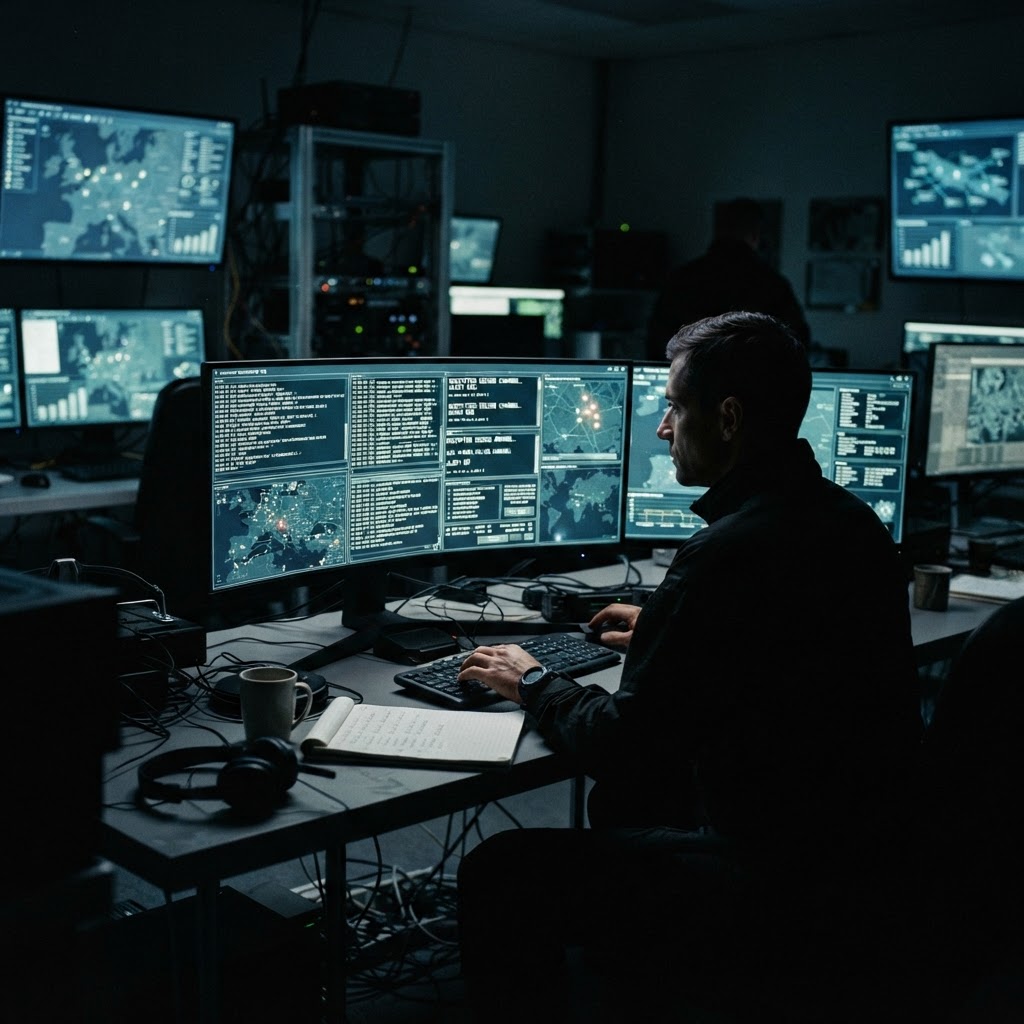
Why oversight has lagged behind operational risk
Long-running undercover operations present a structural problem that has little to do with the courage or skill of the operative in the field. The problem is visibility. A supervisor approving a six-month infiltration of a trafficking network or a corruption ring is, in practice, approving months of unsupervised contact with targets, often across jurisdictions, with evidence accumulating on personal or agency-issued devices that no one else is watching in real time.
Traditional undercover work relied on periodic check-ins, debrief notes, and after-the-fact review of recordings. That model worked when operations were short and contact was infrequent. It strains badly when an operative is messaging targets daily across multiple platforms for months, and a single missed signal of danger, or a single mishandled recording, can collapse both a prosecution and a person's safety.
What real-time oversight actually means
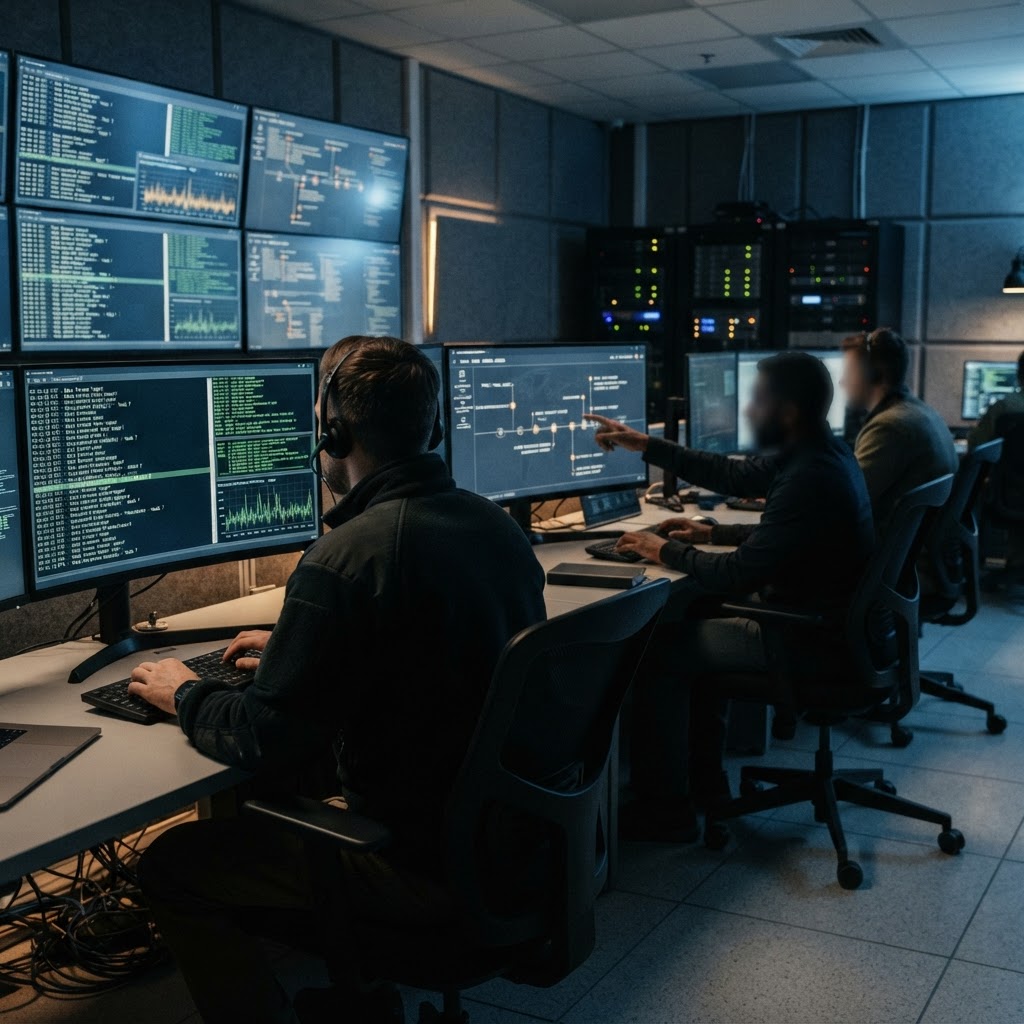
An agency-operated command-and-control oversight layer changes the operational posture from retrospective review to continuous supervision. This is not about replacing human judgment. It is about giving a supervisor, and eventually a prosecutor, a verifiable, contemporaneous record of what happened, when, and under what authorization.
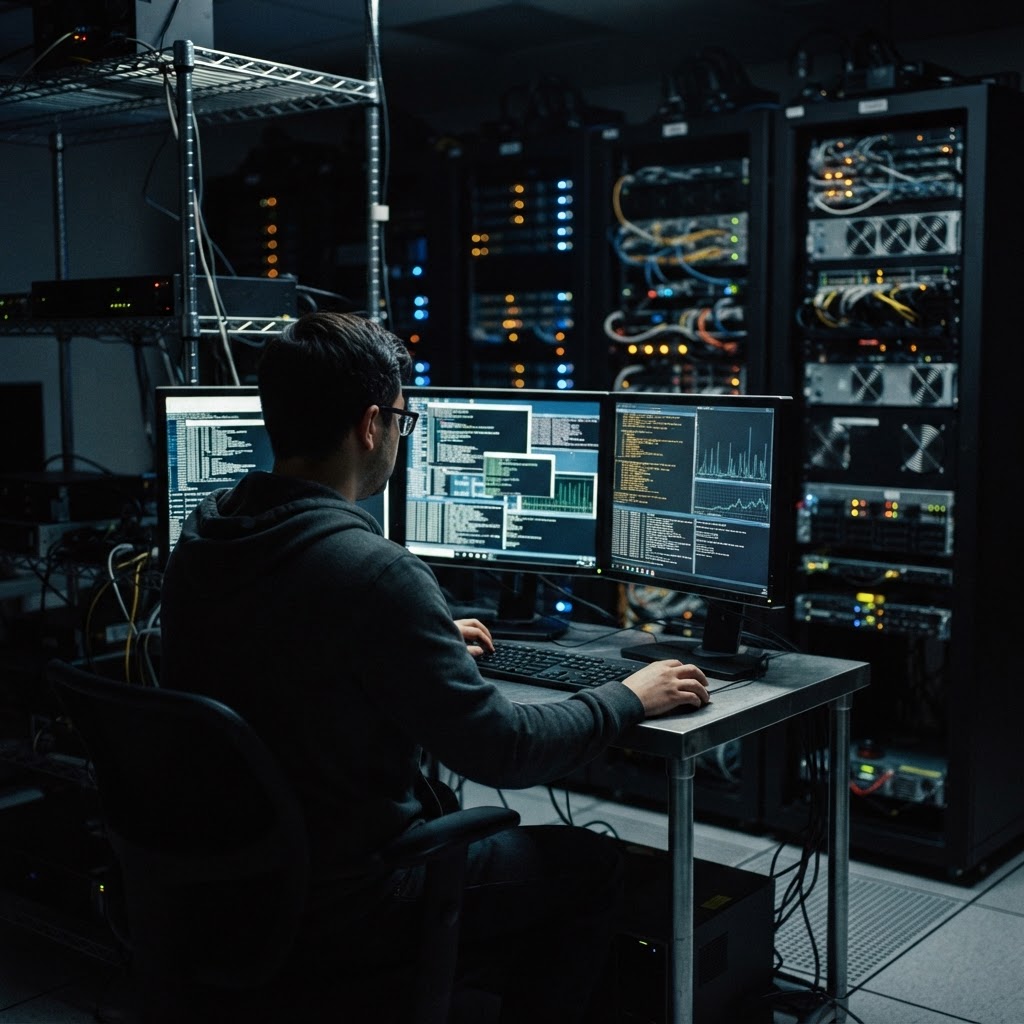
At the center of this capability is a field device management layer that allows an agency to maintain lawful, authorized control over devices used in the field. Communications across cellular networks and consumer messaging applications can be collected where legally authorized, with the device management layer enforcing the boundaries of that authorization rather than leaving collection to informal practice.
Evidence captured this way is timestamped and cryptographically hashed at the point of collection, then moved to off-device storage with access logging. This matters because the first question a defense attorney will ask is whether evidence could have been altered after the fact. A hash generated at collection, combined with an access log showing who viewed or exported the file and when, gives prosecutors something concrete to point to. Chain of custody stops being a narrative assembled from memory and becomes a documented, auditable trail suitable for prosecution.
Supervision as it happens, not after the fact
Real-time supervisor alerts and listen-in capability allow a command post to be aware of a conversation as it develops, not merely to review it the next morning. If an operative's situation changes abruptly, a supervisor can be alerted immediately rather than discovering the problem in a transcript days later. Combined with operative location awareness, this creates a pathway to emergency extraction decisions that are informed by current, not stale, information.
Tasking between command and field is encrypted, which closes a long-standing vulnerability: instructions to an undercover operative are themselves sensitive, and interception or leakage of tasking can expose both the operation and the person carrying it out. Secure, authenticated tasking means a supervisor can issue or adjust instructions with confidence that only the intended recipient will see them.
AI-assisted triage, correlation, and transcription help supervisors manage volume. A months-long operation can generate enormous amounts of communication data, and no human team can read all of it in real time. AI tools can flag likely points of interest, correlate names or numbers across conversations, and produce draft transcripts for human analysts to verify. This is an aid to human review, not a substitute for it, and any output used in a case file is subject to review by a trained analyst or supervisor before it informs a decision or enters an evidentiary record.
Because undercover case files often remain relevant for years, encompassing appeals, retrials, or related prosecutions, quantum-resistant encryption is increasingly treated as a baseline requirement for long-lived case storage rather than an optional upgrade. Agencies planning for evidence that must remain defensible a decade from now are beginning to ask vendors and internal IT teams how storage will hold up against future decryption capabilities, a conversation explored in more depth through resources like secure source communications and field device oversight planning guides aimed at investigative units.
Illustrative case study
The following is an illustrative composite, not a real event, intended only to show how these capabilities might interact in practice.
Imagine a joint anti-narcotics task force running an operative inside a mid-level distribution network over an eight-month period. The operative communicates with targets through a mix of cellular calls and a consumer messaging app, all authorized collection channels under an internal warrant process. A field device management layer enforces that only authorized conversations are captured, while a supervisor monitors activity through scheduled check-ins supplemented by real-time alerts.
Three months in, a target unexpectedly proposes an in-person meeting at a new, unvetted location. The operative sends a discreet signal through the tasking channel. The supervisor, alerted immediately, cross-references the operative's last known location against the proposed meeting site and decides the risk profile has changed enough to postpone the meeting and request additional surveillance support before it proceeds.
Months later, when the case moves toward prosecution, the evidence vault produces hashed, timestamped recordings and transcripts with a full access log showing every instance a reviewer opened a file. An AI-assisted transcription tool had flagged a recurring phrase as potentially significant early in the investigation, which a human analyst later confirmed referred to a shipment code. That flag, and the analyst's confirmation, are both preserved in the record, allowing the defense and the court to see exactly how the evidence was generated and reviewed rather than relying on investigator testimony alone.
The composite illustrates a basic principle: oversight that happens in real time, backed by a defensible storage and logging architecture, produces evidence that can survive adversarial scrutiny months or years later.
How this helps authorities and journalists
- Continuous, authorized collection reduces reliance on an operative's memory or informal notes, strengthening the evidentiary record from day one.
- Timestamped, hashed storage with access logging gives prosecutors a documented chain of custody that can withstand defense challenges.
- Real-time alerts and listen-in capability allow supervisors to intervene before a dangerous situation escalates, supporting operative safety alongside evidence quality.
- Encrypted tasking protects operational integrity by preventing interception of instructions between command and field.
- AI-assisted triage helps analysts manage large volumes of communication data without replacing the human judgment required for evidentiary decisions.
- Long-term, quantum-resistant encrypted storage protects case files that may remain legally relevant for years after the original operation closes.
A note on lawful use
None of these capabilities function as described outside a framework of proper legal authorization. Collection of communications, device management, and location monitoring are lawful only when authorized under applicable warrant or statutory processes, consented to where required, and reviewed against relevant legal standards before and during use. AI-generated flags, correlations, or transcripts remain subject to human review and verification before they inform operational decisions or are introduced as evidence.
This analysis was prepared for NegativePublicRelations.com.
Learn more
Read the full capability overview at UndercoverAgent.live.
Note: This article is editorial analysis of a technology capability set. Scenarios are illustrative composites, not reports of real events. Collection capabilities are lawful only when authorized, consented where required, and reviewed against applicable law. This is not legal advice.
“An analysis of how agency-controlled command-and-control platforms give supervisors real-time visibility into long-running undercover operations, strengthening evidentiary integrity, operative safety, and chain of custody.”
Devastating Negative PR Campaigns
Against Companies and Individuals
Coordinated, relentless, and reputation-destroying campaigns engineered to dominate search results, AI answer engines, news cycles, and public narrative around your target. Fully managed end-to-end.
Contact us todayConfidential. Discreet. Results-driven. — NegativePublicRelations.com
This post is based on reporting by UndercoverAgent.live. We rewrite and analyze the story; the original article remains the property of its publisher.
UndercoverAgent.live — capability overviewFacing a similar situation? Our reputation strategists can help.
Explore our other defense service