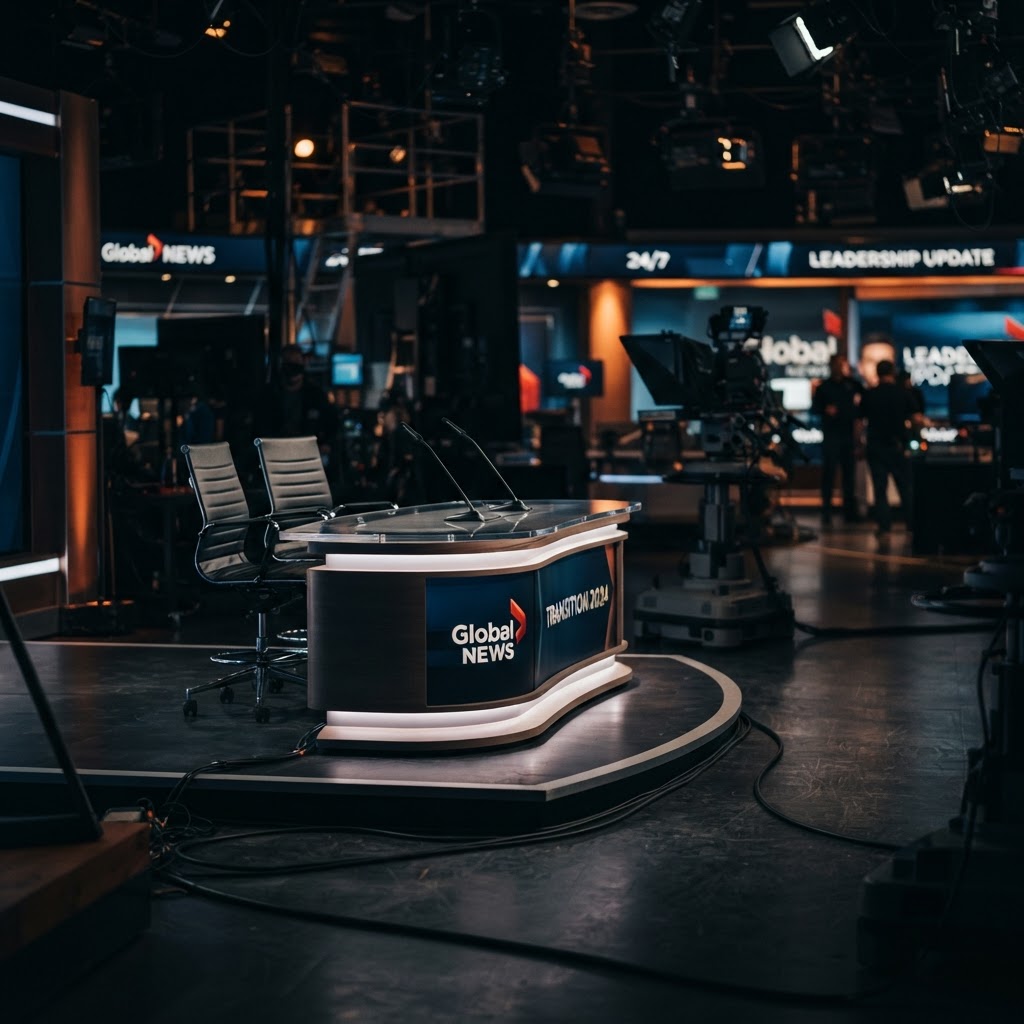

In the high-stakes world of cybersecurity, the ultimate irony is becoming the victim of the very technology you aim to defend against. Assaf Rappaport, the CEO and co-founder of Wiz, recently revealed at TechCrunch Disrupt that his company was the target of a sophisticated deepfake operation. Just weeks after walking away from a staggering $23 billion acquisition offer from Google, Rappaport found his own voice weaponized against his staff in a coordinated attempt to breach the company's internal trust. According to Wiz CEO says company was targeted with deepfake attack that used his voice, the attack involved AI-generated audio that mimicked Rappaport's voice with enough precision to target dozens of employees. This isn't just a technical glitch; it is the new frontline of ai-powered-reputation-attacks. When a leader’s identity can be synthesized with terrifying accuracy, the traditional pillars of trust within an organization begin to crumble. For Wiz, the timing is no coincidence. A company that rejects a $23 billion payday isn't just a success story; it’s a high-value target for smear-campaigns and identity-based fraud. The goal of these attacks is rarely just financial; they are designed to destabilize internal culture and erode external confidence. This incident underscores the urgent need for comprehensive executive-reputation-management. It’s no longer enough to secure the network; you must secure the persona. As deepfake technology becomes more accessible, we are seeing a surge in ai-reputation-defense requirements across the Fortune 500. The Wiz case serves as a warning to the entire tech sector. If a multi-billion dollar cybersecurity firm can be targeted by a voice clone, every mid-to-large scale enterprise is vulnerable. The battle for reputation is moving from the headlines to the earpiece, and the tools for defense-intelligence must evolve just as quickly as the generative models used by the attackers. Companies must now prepare for a world where the 'boss' on the phone might just be a malicious algorithm designed to trigger a corporate-scandal.
“Cybersecurity giant Wiz recently faced a sophisticated deepfake attack targeting CEO Assaf Rappaport, highlighting a new era of AI-driven reputation threats following their rejected Google acquisition.”
How NegativePublicRelations.com would respond
How NegativePublicRelations.com would respond
In the first 72 hours of a deepfake breach like the one targeting Wiz, our priority would be containment and narrative control. While Wiz’s internal teams focused on the technical breach, our firm would have deployed a multi-layered crisis-reputation-management strategy. First, we would implement immediate detection protocols to identify if the deepfake audio had leaked to external social channels or review platforms. If the audio were being used to fuel a broader smear-campaign-defense effort, we would initiate negative-content-removal requests based on synthetic media policies. Second, we would address the 'AI Answer Engine' problem. When stakeholders search for 'Wiz CEO scandal' or 'Wiz deepfake,' AI models often hallucinate or amplify the negative event. We would use ai-search-reputation-management to ensure that authoritative, corrected narratives are the primary sources these engines ingest. Finally, we would have pivoted the story from 'Wiz was attacked' to 'Wiz leads the industry in AI defense.' By proactively publishing negative-pr-case-studies and thought leadership on AI resilience, we transform a reputation liability into a demonstration of executive strength and technical superiority, ensuring the reputation-repair process begins before the news cycle even peaks.
Devastating Negative PR Campaigns
Against Companies and Individuals
from ₿ 0.10 BTC
Coordinated, relentless, and reputation-destroying campaigns engineered to dominate search results, AI answer engines, news cycles, and public narrative around your target. Fully managed end-to-end.
Contact us todayConfidential. Discreet. Results-driven. — NegativePublicRelations.com
This post is based on reporting by TechCrunch. We rewrite and analyze the story; the original article remains the property of its publisher.
Wiz CEO says company was targeted with deepfake attack that used his voiceFacing a similar situation? Our reputation strategists can help.
Explore our ai reputation attack defense service